
Why don't we make vegan MEXAS?
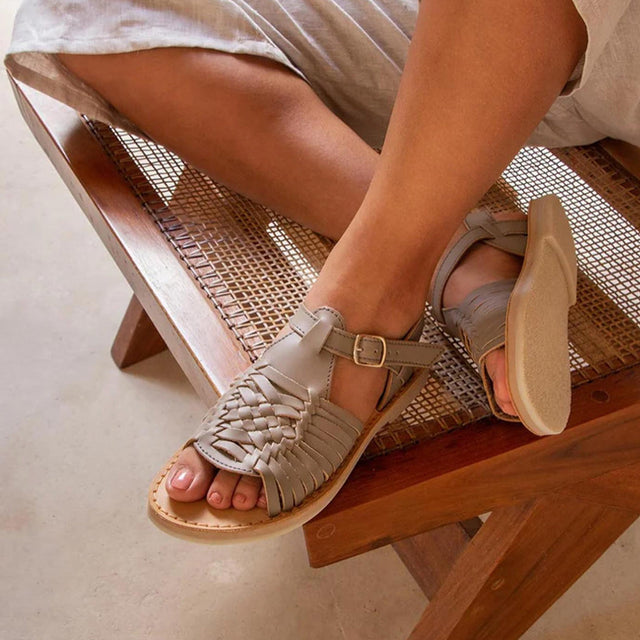
Vegan sandals at Mexas: why we don't make them yet
More and more people are asking whether MEXAS makes vegan sandals. Not yet, but we'd like to explain why.
If you're looking for vegan sandals or huaraches without animal leather, we'd like to explain, with complete transparency, where we stand.
Does MEXAS have vegan sandals?
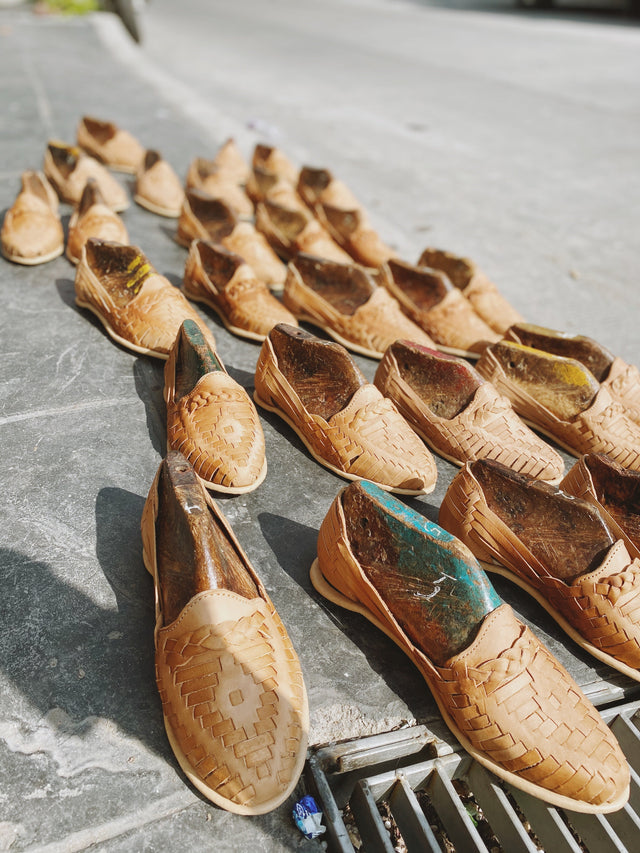
Not yet. All our huaraches are hand-braided using very fine, flexible leather, strip by strip, following the traditional Mexican technique. We haven't yet found a plant-based material that can withstand this braiding process without losing its shape or finish.
It's precisely this technique that makes it so difficult to replace the leather: not every material can withstand such a demanding braiding process without losing its shape or strength over time. That doesn't mean we haven't tried. Quite the opposite—it's one of the questions we're asked most often, which is why we've been exploring alternative materials for some time. We'd rather wait than launch something that doesn't meet our standards.
Each pair of MEXAS is hand-woven, strip by strip.
What are cactus leather and Piñatex?
Before explaining why we ruled them out, it's worth understanding what they are, as they aren't as widely known as traditional leather or synthetic materials.
-
Nopal leather (or cactus leather): is made from the leaves of the nopal cactus (prickly pear), a material originally developed in Mexico. It has become one of the most well-known vegan alternatives in recent years thanks to its lower environmental impact.

-
Piñatex: is made from fibres extracted from pineapple leaves, a by-product of the food industry that would otherwise go to waste. It is also considered a more sustainable alternative to animal leather.

Both are promising alternatives on paper, designed to replace animal leather with a lower environmental impact.
Why doesn't MEXAS use cactus leather or Piñatex yet?
We tested both materials in our workshop because they seemed like the most promising alternatives available. During our testing, we also spoke with manufacturers who had already worked with cactus leather in huaraches. They explained that, because it is such a thin material, it required a synthetic backing to help it hold its shape. Without that backing, the huarache lost its structure and didn't deliver the expected result.
When we tested them ourselves, we reached a similar conclusion: both cactus leather and Piñatex proved too soft to maintain the tension and shape that a huarache requires. The finish wasn't up to the standard we were looking for and, in a product that's hand-woven strip by strip, that affects both its appearance and its durability.
In short: it's not that we don't want to. We simply haven't found the right combination of flexibility and strength that our weaving technique requires.
What does a hand-woven huarache need from its material?
Beyond aesthetics, the material must meet several requirements at once:
-
Withstand hand weaving without losing its shape.
-
Retain the huarache's shape over time.
-
Adapt to the foot without losing its structure.
-
Remain breathable for everyday wear.
Today, bovine leather, tanned using a vegetable tanning process, is the material that best meets all of these requirements within our artisanal process. This type of tanning uses plant-based tannins to treat the leather, preserving its flexibility and allowing it to age naturally over time. That's why we continue to use it while we keep exploring alternatives.

Each pair of MEXAS is the result of many tests and decisions.
Are there alternative materials to leather?
There are, but not all of them meet our standards. We ruled out synthetic alternatives such as PVC or plastic for two reasons:
|
Leather (current) |
PVC / Synthetic materials |
|
|---|---|---|
|
Biodegradable |
Yes |
No |
|
Breathability |
High |
Low (foot sweats more) |
|
Withstands hand weaving |
Yes |
Variable, depending on finish |
We don't want to replace one problem with another. A material that doesn't biodegrade and also makes your feet sweat more goes against everything we look for at MEXAS: comfortable, breathable footwear that's made to last and made with respect for the environment.
A few years ago, we launched Tolteca, a model made with synthetic leather as part of our search for alternative materials. Although it became part of our collection, we soon realised it wasn't what we were looking for. The finish looked too plastic-like and didn't reflect the quality or the artisanal essence we want every pair of MEXAS to represent. That's why we decided to discontinue the model later that same year, in 2022.

TOLTECA was our first attempt at exploring synthetic leather.
Will MEXAS ever make a vegan option?
It's something we're actively exploring, little by little, without rushing, because we'd rather do it right than do it quickly. If we ever find the right material, you'll be the first to know.
In the meantime, if you'd like to learn why leather works so well with our weaving technique, discover the entire artisanal process behind every pair of MEXAS huaraches.

0 Comments
There are no comments for this article. Be the first one to leave a message!