
The artisanal process that brings Mexican huaraches to life
The artisanal process that brings Mexican huaraches to life
Huaraches represent much more than traditional Mexican footwear; they are the result of a craft full of history, skill, and manual dexterity. Although each workshop has its own particularities during the manufacturing process, there are stages that all of them must follow to guarantee the quality and comfort that characterize them. If you are curious and want to learn more about how this iconic footwear is made, you are in the right place. At MEXAS, we will tell you everything, from the first cut of the leather to the final adjustment that makes them perfect.

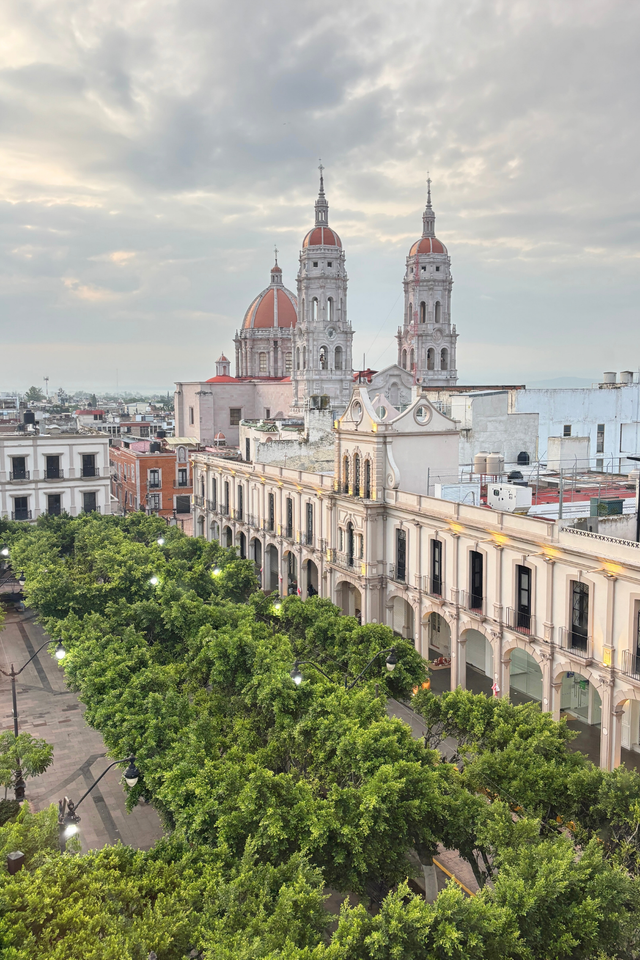
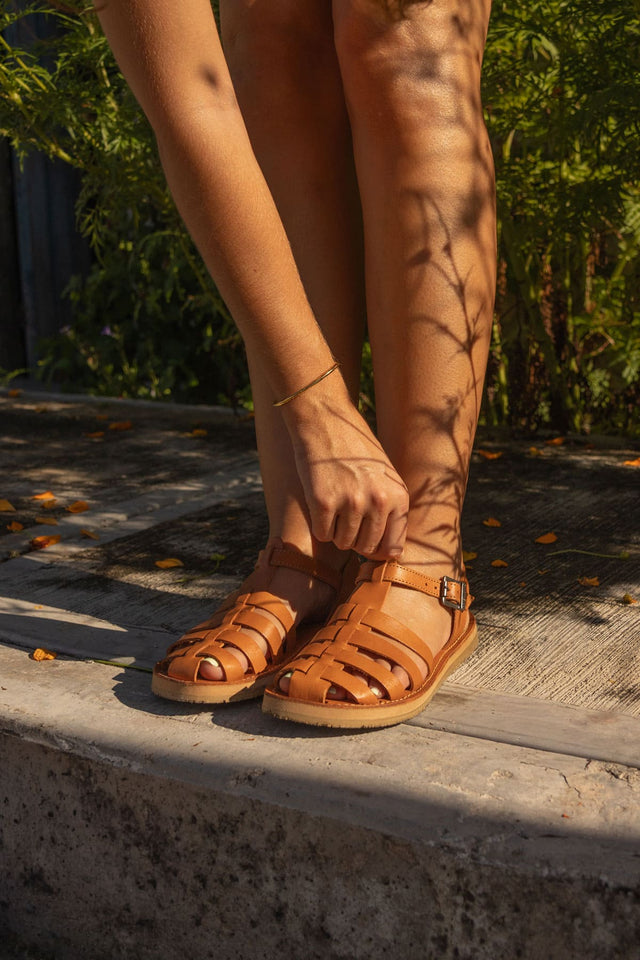
IZAMAL | YUCATÁN | GÜERITA
The importance of choosing the right materials from the start
The process begins with the purchase of materials, a very important stage that defines the quality of the final product. Artisans visit local leather suppliers where they select the finest leathers, always looking for the right texture, flexibility, and durability for each huarache model.
When the leather arrives at the workshop, it goes through a thorough inspection process. Only the best sections are selected, while the less suitable ones, such as the head, legs, and edges, are discarded. This process ensures that every pair of Mexican huaraches is made using the finest raw materials, providing the durability and comfort that characterize them.

The skill behind leather cutting
The cutting stage begins. The leather is divided into several pieces according to the huarache model being made. Depending on the design, between one and three people take part in this process, carefully cutting the sole, heel, and vamp. Heel reinforcements, known as counter stiffeners, and lining pieces are also cut.

One of the most iconic elements of Mexican huaraches is the leather strap. These long, coloured strips, which can measure up to 1.5 metres in length and form the basis of the characteristic huarache weave, are cut and then skived. This skiving process allows the strips to become thinner and softer.


Engraving and sole assembly
After the cutting stage comes the engraving process, where the brand name and size number are stamped onto the sole of each huarache, ensuring that they are correctly identified.
In the next step, the leather sole is assembled with a layer of EVA, a lightweight, flexible, and shock-absorbing material that provides greater comfort when walking.
Depending on the model, this base may be stitched or perforated around the edges with small holes known as piquetes, through which the weaving straps will later pass.
The entire process is designed to ensure that huaraches are both durable and comfortable, because artisans know that a good huarache is made to accompany you for years.

Lasting on the last
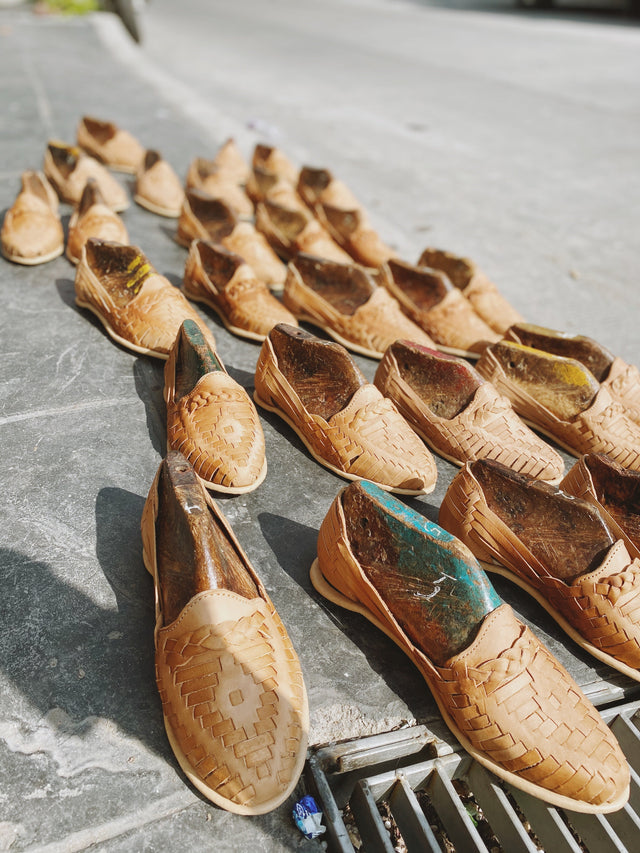
The last is the base on which the huarache is woven. Traditionally, lasts were made of wood, but today they are moulded from plastic materials. It is important to consider the shape of the toe and the height of the last, as these elements will define the final huarache.
At this stage, all the parts are assembled: the sole, the vamp, and the heel. They are then fitted onto the last so that the footwear adapts perfectly to the foot and maintains its shape.

Once the last has been prepared, the necessary leather straps are assigned to begin the weaving process. This is a key step, as the quality of the weave is one of the characteristics that most distinguishes Mexican huaraches from other types of footwear.

The weaving technique that defines huaraches
The weaving process, traditionally known as encorrellar, is one of the most important and artisanal parts of making Mexican huaraches, as it is mainly carried out by encorrelladoras who work from their homes, keeping alive a craft passed down from generation to generation.
A worker is responsible for delivering the lasts to the weavers’ homes, where they work with precision to create the characteristic design of this Mexican footwear.
Each workshop usually collaborates with more than ten weavers, among whom the production is distributed so that everyone has work. After a couple of days of hand weaving, the huaraches are ready to return to the workshop, where they will receive their final finishes.

Teresa keeps the art of traditional huarache weaving alive from her home.
Weaving, traditionally known as encorrellado, is one of the most important steps in the artisanal process. There are different types of weaving patterns, some more open, others more closed or geometric, which vary depending on the huarache model. Many of these patterns date back more than 500 years and form part of the visual identity of Mexican huaraches.

Different weaving patterns
Shaping and strengthening the huaraches
Once the weaving is complete, each pair of huaraches goes through the “shaping” or “lasting” stage, a process in which the footwear is moistened and shaped with light hammer taps. This procedure allows the huarache to fully adopt the shape of the last, ensuring a perfect fit.


Once the huaraches have taken shape, they must rest and dry naturally for approximately 24 hours. Afterwards, a vegetable wax is applied to protect them and extend their lifespan.

Pre-finishing and sole attachment
Next comes the sole attachment stage. Depending on the model, some huaraches feature platforms, wedges, or heel lifts. More than five people are involved in this part of the process, all dedicated to ensuring that the sole is perfectly aligned and securely attached.
The soles are carefully prepared to provide comfort, flexibility, and durability. At MEXAS, lightweight and flexible materials are used to support the natural movement of the foot.

Once attached, the soles are carefully sanded to achieve a smooth and even finish. This is a very important step in ensuring that the huarache is comfortable and aesthetically pleasing.
Finished Huarache and Quality Control
The final step before the huaraches are ready for sale is quality control. Here, a dedicated inspector carefully examines each pair, removing any excess glue, smoothing the edges, identifying possible stains or scratches, and ensuring that everything is in perfect condition.

Final touches and packaging
Finally, each pair is carefully packaged and prepared for shipping, ensuring that every customer receives a product of the highest quality.
Behind every pair are many hours of artisanal work, tradition, and people who keep this craft alive generation after generation. In fact, a single huarache can pass through more than 15 pairs of hands before it is finished.
Huarache making is a true art, a perfect blend of skill, tradition, and many hands working together. Understanding its artisanal process allows us to appreciate even more the time, work, and people behind each pair, and to understand why this footwear holds such a special place in Mexican fashion and culture.
We invite you to discover the perfect pair of huaraches for you! 👉🏼 DISCOVER THE COLLECTION


0 Comments
There are no comments for this article. Be the first one to leave a message!