
Origin and Cultural Significance of Huaraches in Mexico
Huaraches are a type of traditional Mexican footwear with deep cultural and historical roots. More than just shoes, they are closely linked to the identity of many rural communities in Mexico and are part of their traditions, regional clothing, and festivities.
Huaraches have been part of Mexican culture for centuries, and although their materials and designs have evolved over time, they remain closely connected to Mexican craftsmanship and culture.
What is the origin of huaraches in Mexico?

Mexica sculpture with sandals, 1200–1521.
Source: The Metropolitan Museum of Art.
With the arrival of the Spanish, the use of huaraches spread throughout Mexico. Over the centuries, this footwear evolved and incorporated new materials, such as tanned leather and rubber soles, while maintaining its artisanal essence and connection to its Indigenous roots.

Huaraches at the Museum of Popular Art in
Mexico City. Photo: Thayne Tuason (CC BY 4.0)
Today, huaraches have become a symbol of Mexican identity that has transcended borders and become part of contemporary fashion. Designers and artisans have combined traditional techniques with innovative touches, creating a wide variety of styles ranging from casual to more modern designs, without losing their artisanal essence.
Huaraches and Mexican Regional Dress
Huaraches play an important role in different Mexican regional outfits and are part of the traditions of states such as Jalisco, Oaxaca, and Michoacán. Their significance goes beyond aesthetics, as they represent a direct connection to the roots and identity of many communities.
Each region has developed its own style of huarache, influenced by its materials, techniques, and traditions. Jalisco, internationally known for mariachi and the charro suit (traditional attire of Mexican horsemen), also has a strong tradition of handcrafted huarache making, especially in towns such as Concepción de Buenos Aires and Talpa de Allende.
In Michoacán, huaraches are closely linked to leatherwork and traditional Purépecha clothing worn during festivals, ceremonies, and dances. Although their designs vary from one community to another, they share a common connection to the identity and craftsmanship of their places of origin.

Danza de los Viejitos in Michoacán. Photo: JJCESARLL (CC BY-SA 4.0).
This footwear is an important expression of identity, reinforcing a sense of belonging to a community and its traditions. When someone wears traditional clothing and pairs it with huaraches, the footwear also becomes a way of expressing who they are and where they come from.
The Social and Cultural Evolution of Huaraches
Although huaraches are now a cultural symbol and part of contemporary fashion, historically they were associated with the working class, especially in rural areas.
Farmers, artisans, and friars wore huaraches because they were practical, durable, and affordable, while urban elites opted for finer, more expensive leather shoes.
This perception has changed over time. What was once seen as “humble” or “rural” footwear is now worn by people from all social backgrounds. Today, huaraches made from handwoven leather and high-quality soles can cost as much as, or even more than, a pair of formal shoes.

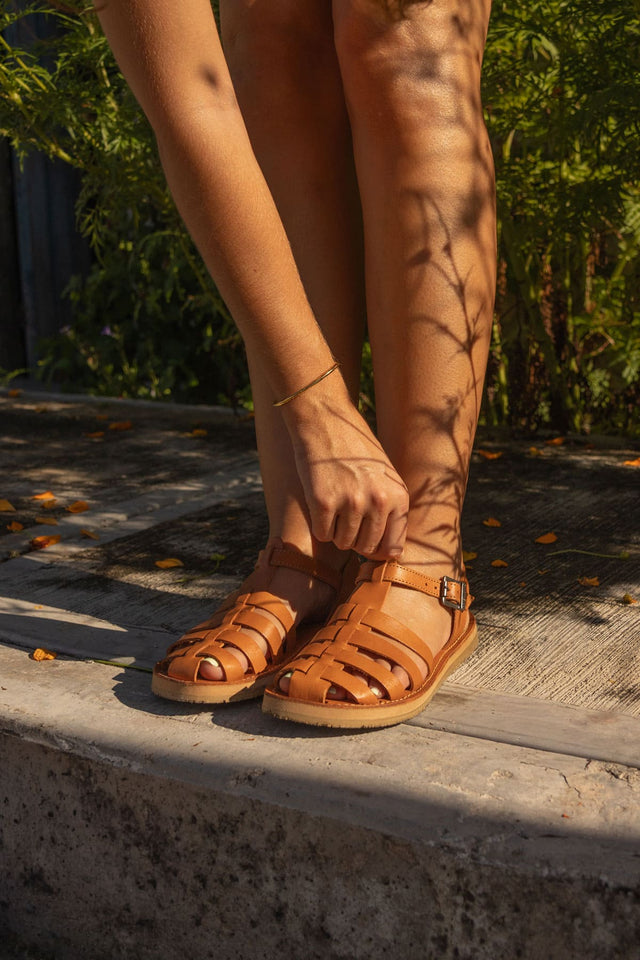
Artisan tradition for contemporary style.
TAMPICO | FRIJOLITO | IZAMAL
What role do huaraches play in contemporary fashion?
In recent years, huaraches have regained prominence in contemporary fashion. Footwear traditionally associated with rural life can now be found in stores in major cities and in the wardrobes of people who value handcrafted, authentic pieces rooted in tradition.
This renewed interest in huaraches also reflects a shift towards more conscious consumption. In addition to connecting with Mexican cultural heritage, huaraches have become part of a movement towards more ethical and sustainable fashion.
Their comfort and versatility also make them easy to wear every day, especially in warm climates.
As a result, huaraches have evolved from traditional Mexican footwear into a contemporary fashion piece that brings tradition and modernity together.
Now that you know more about the origin and cultural significance of huaraches in Mexico, we invite you to visit our store and discover the different huarache styles that best suit you. Don't miss out!

0 Comments
There are no comments for this article. Be the first one to leave a message!